Blog
What Is the Best Bamboo Toothbrush Supplier in China?
Choosing the best Bamboo Toothbrush supplier in China requires more than comparing factory prices. Product safety, material traceability, production consistency, and export experience matter just as much. The World Health Organization’s Global Oral Health Status Report states that nearly 3.5 billion people experience oral diseases worldwide. This scale creates serious demand for dependable daily-care products.
Sustainability also needs evidence. The United Nations Environment Programme’s Turning off the Tap report suggests that global plastic pollution could fall by 80% by 2040 through practical system changes. A bamboo handle may reduce conventional plastic use, but it does not automatically make the entire toothbrush biodegradable. Most bristles still contain nylon, and coatings, packaging, and adhesives require careful review. That detail is often overlooked.
A capable Chinese supplier should provide clear bamboo sourcing records, production photographs, quality-control procedures, and test documentation. ISO 20126 offers relevant requirements and test methods for manual toothbrushes. Buyers should also examine handle moisture resistance, bristle retention, trimming quality, packaging accuracy, and batch consistency. Small defects matter. A loose bristle can damage customer trust.
Certifications can help, but they are not the whole answer. Factory audits, sample testing, and direct communication reveal more than attractive catalog images. I would request several samples from different production batches. Then I would test them in realistic bathroom conditions.
No supplier is perfect. Even experienced factories may have weak documentation or inconsistent packaging. The strongest partner is the one that responds honestly, corrects problems quickly, and supports transparent long-term cooperation. This guide examines those practical signals before recommending a reliable Bamboo Toothbrush supplier in China.
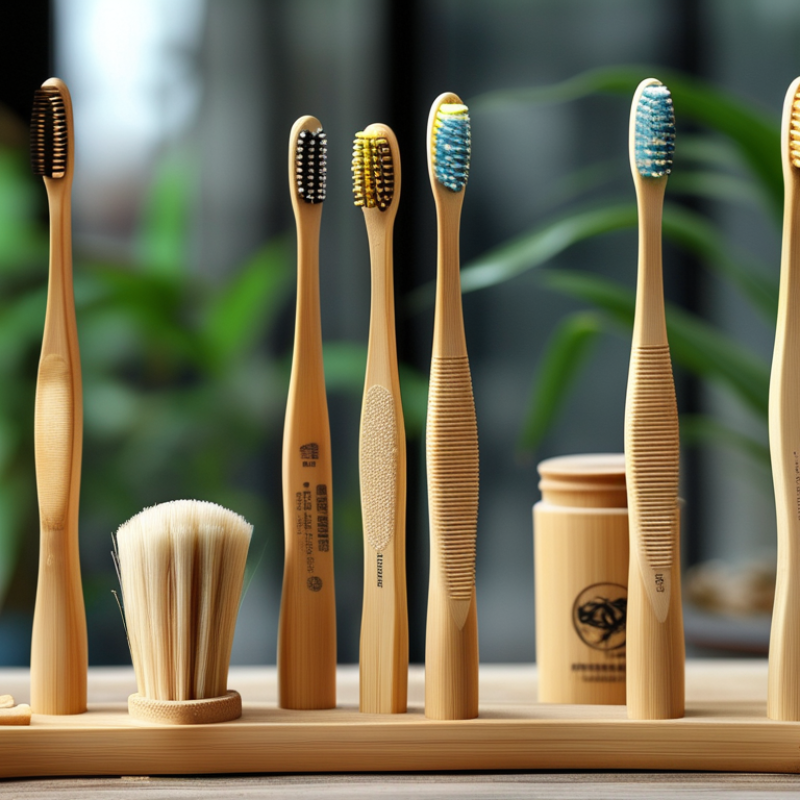
Define “Best” Using ISO 20126:2012 and Supplier Quality Metrics
The best bamboo toothbrush supplier in China is not simply the cheapest or most attractive. “Best” should mean measurable conformity, stable production, and honest evidence. ISO 20126:2012 provides a useful benchmark for manual toothbrush quality, including physical requirements and test methods. A serious supplier should provide recent, batch-linked test reports rather than vague claims of compliance.
Inspect samples under bright light. The bamboo handle should feel smooth, without cracks, sharp fibers, strong odor, or visible warping. Check bristle alignment, trimming consistency, and tuft security. ISO-based testing can help assess bristle retention and overall brush durability.
Ask for production records, inspection plans, and defect data. Useful metrics include first-pass yield, customer complaint rates, corrective-action closure time, and batch rejection frequency. Numbers matter.
But numbers can mislead.
A supplier may show excellent sample results while producing inconsistent bulk orders. Request random cartons from different production dates. Compare handle moisture, weight, bristle softness, packaging, and labeling. Review traceability from raw bamboo to finished units. Factory experience also matters: trained inspectors, calibrated equipment, documented procedures, and willingness to discuss failures indicate stronger quality control. I would not treat ISO 20126:2012 as proof of environmental performance or ethical sourcing; it does not answer every purchasing question. Confirm bamboo treatment, coating safety, and packaging claims separately. The best supplier is the one that welcomes verification, reports weaknesses clearly, and improves when evidence exposes them.
Verify Bamboo Sourcing Against INBAR’s 35-Million-Hectare Global Estimate
What Is the Best Bamboo Toothbrush Supplier in China? The answer begins with verified bamboo sourcing, not a polished product page. INBAR’s 2018 global assessment estimated approximately 35 million hectares of bamboo worldwide. This figure provides useful scale, but it is not a supplier directory or a forest certificate. Its limits matter.
A reliable supplier should identify bamboo species, growing region, harvest season, and processing location. China’s national forest inventory reports more than six million hectares of bamboo forest, showing substantial domestic capacity. However, national data cannot prove that every toothbrush handle comes from responsibly managed land. Ask for plot-level records, purchase invoices, and transport documents. Then compare volumes against reported production.
Look for evidence.
ISO 14021 guidance also warns against vague environmental claims without verifiable data. A serious supplier should explain drying temperatures, pesticide controls, coating materials, and factory waste handling. Independent laboratory testing can verify moisture, heavy metals, and microbial safety. I would not accept a single certificate as complete proof. Documents can be outdated, incomplete, or disconnected from actual batches. A small trial order, batch code, and third-party inspection often reveal more than attractive sustainability language. INBAR’s 35-million-hectare estimate is a starting reference, not a shortcut to trust.
Test Bristle Safety Under ISO 22254:2005 and ISO 20126:2012
What Is the Best Bamboo Toothbrush Supplier in China?
A reliable bamboo toothbrush supplier should prove bristle safety, not merely advertise natural materials. The World Health Organization’s Global Oral Health Status Report 2022 estimates that oral diseases affect nearly 3.5 billion people worldwide. Small manufacturing defects can therefore affect many users. During supplier audits, request production samples, batch records, and independent laboratory reports. Check bristle diameter, tufts, sharp ends, loose filaments, and bamboo moisture content.
ISO 20126:2012 provides general requirements and test methods for manual toothbrushes. ISO 22254:2005 evaluates resistance to deflection of the toothbrush neck. These standards support structural safety, but neither standard alone proves complete bristle safety. Add tuft-pull testing, bristle retention checks, and microscopic inspection of cut ends. A competent laboratory should document sample size, conditioning, test equipment, and acceptance limits under ISO/IEC 17025 procedures. Details matter.
Ask for traceability from bamboo batch to finished carton. It is useful evidence. Supplier experience also shows in failed-sample records, corrective actions, and repeat testing. I would not trust a polished certificate alone. One weakness in my own assessment is limited visibility inside production lines. A factory video cannot replace random sampling. Compare pre-shipment results with arrival inspections, because vibration and humidity may loosen bristles during transport. That extra check costs little, but it can expose uncomfortable gaps.
Bamboo Toothbrush Bristle Safety: ISO Reference Standards
This chart shows the publication year of two relevant ISO standards used when evaluating manual toothbrush construction and bristle safety. ISO 22254:2005 addresses resistance to deflection of the tufted portion, while ISO 20126:2012 specifies general requirements and test methods for manual toothbrushes. The chart is a standards reference and does not represent test results or rank any supplier.
Compare China Suppliers by MOQ, Capacity, FSC, and ISO 9001 Status
Choosing the best bamboo toothbrush supplier in China requires more than checking unit price. MOQ, production capacity, FSC documentation, and ISO 9001 status reveal operational reliability.
Small workshops often quote MOQs between 1,000 and 5,000 pieces. They suit market tests, but monthly capacity may remain below 100,000 units. Larger factories commonly request 10,000–30,000 pieces per design and report capacity above 300,000 units monthly. These figures need verification through production records, not sales messages. Grand View Research projects continued growth in the bamboo toothbrush market, increasing pressure on suppliers to prove stable output.
FSC status should cover the bamboo source and supply chain, not merely the finished brush. FSC market data reports more than 50,000 valid chain-of-custody certificates worldwide. Ask for the certificate number and scope. ISO Survey 2023 recorded over one million ISO 9001 certificates globally, showing that certification is common, but not automatically meaningful. A factory should provide its certificate, audit scope, and recent corrective-action records. I once treated a low MOQ as a clear advantage. It was not. Sampling was easy, while color consistency failed during larger production. Capacity claims can also be optimistic. A factory visit, batch inspection, and written defect standard remain necessary.
Rank Total Value Through Audits, Compliance, Defect Rates, and Delivery Data
What Is the Best Bamboo Toothbrush Supplier in China?
The best supplier is not defined by price alone. Total value emerges from verifiable audits, compliance records, defect rates, and delivery performance. During a factory audit, inspect bamboo storage, drying rooms, assembly lines, and packing areas. Check whether batch records match physical inventory. Ask for recent inspection reports, material declarations, and worker safety procedures. Documents should be traceable, current, and consistent.
Defect data needs more than a single percentage. Request results by batch, product size, and defect type. Look for loose bristles, uneven trimming, cracked handles, and poor coating adhesion. A useful review compares internal records with independent sampling. Delivery data should include promised dates, actual shipment dates, quantity shortages, and damaged cartons. One late shipment may be accidental. Repeated delays reveal capacity problems. Perfect data is rare.
Tips: Score each supplier with weighted evidence. Give audits, defects, compliance, and delivery different values. Visit during normal production, not only during preparation. Keep samples from every approved batch. Ask difficult questions politely. A low defect rate can still hide weak reporting. My own evaluation would leave room for uncertainty, because supplier performance can change after the first successful order.