What Are the Best Palestinian Products to Source in 2026?

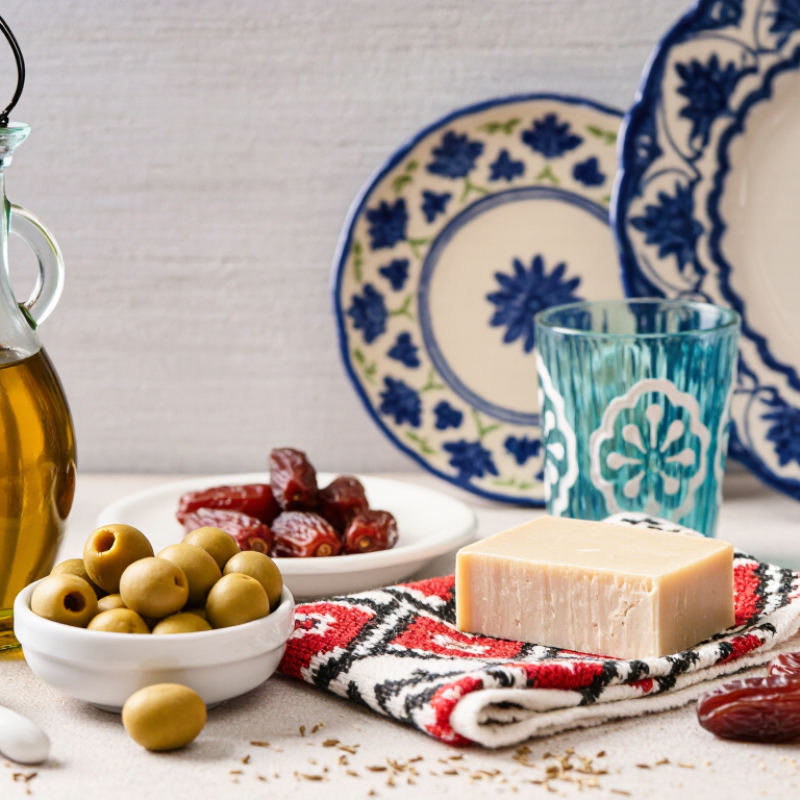
Choosing the best palestinian products to source in 2026 means looking beyond a compelling story. Buyers need consistent quality, clear origin information, dependable suppliers, and realistic delivery plans. Palestinian products often stand out through distinctive materials and craft traditions: olive oil and Nabulsi soap, za’atar and dates, hand-embroidered textiles, ceramics, and glassware. Each category brings different sourcing needs. Food products require careful checks on ingredients, packaging, shelf life, and applicable import requirements. Handmade goods call for honest discussions about production capacity, lead times, and maker compensation.

A useful shortlist starts with the customer. Will shoppers value everyday pantry staples, carefully finished gifts, or textiles with visible handwork? Request samples, compare specifications, and ask suppliers how they verify product origin. Confirm prices, minimum orders, payment terms, and shipping arrangements in writing. Import rules vary by destination, so buyers should check current requirements with relevant authorities and qualified logistics partners. A supplier’s claims deserve verification. So do yours.

The strongest sourcing choice is not always the most photogenic one. It is the product a supplier can describe clearly and deliver responsibly. That standard may take more time. Some details will remain uncertain, especially when supply conditions change. Treat that uncertainty as a reason to ask better questions, not to make broad promises. This guide explores promising Palestinian products for 2026 and practical ways to assess quality, provenance, and fit before placing an order.
What Are the Best Palestinian Products to Source in 2026?

What Qualifies as a Palestinian Product in 2026?

In 2026, a Palestinian product should be described by its actual origin, materials, and production—not by a label alone. A jar of olive oil may come from Palestinian-grown olives, while its bottling happens elsewhere. Both details matter. A hand-embroidered textile might be made by Palestinian artisans using imported thread. That does not erase the makers’ contribution, but it changes what the product claim should say. Labels can mislead.

For sourcing, ask where each stage happens: harvesting, processing, assembly, and finishing. Request supplier declarations, invoices, and batch or workshop records where available. Compare those details with the product description and the origin rules that apply to your market. A ceramic piece shaped and fired locally has a different production story from one merely decorated there. Rules differ by market, and documentation can be incomplete. Details matter.

Palestinian ownership, design, or cultural inspiration can be meaningful, but each is distinct from Palestinian manufacture. A product made by a Palestinian-owned business outside Palestine may be accurately described by ownership, not necessarily origin. The clearest listings explain both, without stretching either claim. I would not treat one document as proof of an entire supply chain. Paperwork may miss informal labor or changing production locations, so careful follow-up is part of responsible sourcing.

Which Palestinian Product Categories Are Most Promising to Source?

Palestinian olive oil is a promising category, especially for buyers seeking traceable, harvest-specific food products. Ask suppliers about harvest dates, storage conditions, laboratory testing, and export documentation. Flavor can vary by region and season, so assess samples from more than one lot. A good sample is not a supply plan.

Za’atar, dates, and other shelf-stable foods may suit retailers that need manageable shipping and longer selling windows. Check ingredient lists, packaging seals, moisture control, and expected shelf life before placing larger orders.

Palestinian embroidery, ceramics, and glassware offer distinctive home and gift products. Look closely at stitching, glaze consistency, packing methods, and the maker’s ability to repeat an order. Handmade variation can be part of the appeal, but buyers should agree on acceptable differences in advance. It sounds obvious, yet it is often overlooked.

The strongest category depends on the buyer’s market, budget, and ability to verify origin and quality. Request clear product specifications and realistic production timelines. Compare small trial orders before committing. Suppliers may face changing transport conditions, and estimates can shift. Build that uncertainty into purchasing plans rather than assuming every shipment will follow the same schedule.

How Do Palestinian Products Vary by Region and Production Method?

Palestinian products vary with landscape, local skills, and access to materials. In hilly areas, olive cultivation shapes both food and craft traditions. Oil is commonly pressed after harvest, but flavor and quality can differ with olive variety, ripeness, and milling practices. Nablus is known for olive-oil soap, whose firmness and scent depend on its recipe and curing time. Details matter.

The Jordan Valley’s warmer, drier conditions support date cultivation, including varieties that need careful sorting and storage. In Hebron, pottery and glasswork draw on established craft skills, while Bethlehem embroidery often features regionally distinct patterns and handwork. These are not identical production systems: a hand-stitched piece may take hours, while a food product’s consistency depends on harvest handling and processing.

For 2026 sourcing, ask where materials were grown or made, how production is carried out, and whether the maker can document those details. A regional label alone may not explain who did the work. Availability and supply routes can also change, so verify current capacity rather than assuming continuity. Some details are easy to miss. I would treat broad regional descriptions as a starting point, not proof of origin or quality.

What Are the Best Palestinian Products to Source in 2026?

How Palestinian Agricultural Products Vary by Region and Production Method

Harvest windows are approximate inclusive calendar-month ranges, not production-volume statistics. Olive oil is made by pressing harvested olives; Jericho dates are harvested and graded; Hebron grapes are hand-picked for fresh-market or dried products; and Gaza citrus is hand-picked and sorted. Timing varies with cultivar, weather, and local conditions. These agricultural examples complement Palestinian craft traditions such as Nablus soap-making, Hebron glassmaking and ceramics, and Bethlehem embroidery.

What Quality, Origin, and Certification Standards Should Buyers Check?

For Palestinian products, origin checks should follow each lot, not just the supplier’s general profile. Request invoices, packing lists, harvest or production dates, and documents identifying the place of production. Match the product description and lot numbers across records. For olive oil, the International Olive Council’s trade standard sets a maximum free acidity of 0.8 grams per 100 grams for extra virgin grade. Ask for a recent laboratory analysis, and confirm the lab’s competence and the sample’s link to the shipment. A certificate without a matching lot is weak evidence.

Check that certificates are current, independently verifiable, and relevant to the product and facility. Organic status, food-safety systems, and origin documentation are separate checks; one does not prove the others. FAO’s 2019 State of Food and Agriculture estimated that 14 percent of food was lost between harvest and retail worldwide, making storage and transport records important, too. Inspect seals, cartons, and temperature logs where relevant. Small details matter. Paperwork can still be messy, so clarify gaps before payment rather than assuming they are harmless. For textiles or crafts, request material specifications and maker or workshop records instead of food-safety certificates. Check the claims against physical samples. They may not tell the whole story.

How Can Buyers Evaluate Suppliers, Shipping, and Market Demand?

Sourcing Palestinian products in 2026 requires more than attractive packaging and cultural appeal. Buyers should examine olive oil, dates, embroidered textiles, ceramics, and natural soaps through verified commercial evidence. Request business registration, product specifications, recent invoices, production capacity, and export references. Ask for evidence. A video call should show the workshop, storage conditions, and labeling process.

Shipping deserves equal attention. The World Bank’s Logistics Performance Index 2023 highlights customs, tracking, and delivery reliability as important logistics factors. UNCTAD’s Review of Maritime Transport 2024 reports that global maritime trade grew 2.4% in 2023, while route disruptions increased uncertainty and costs. Buyers should request two freight quotations, clarify border procedures, and confirm whether insurance covers delays, damage, and temperature-sensitive goods. A low quote is not proof of value. Delivery history matters more.

Market demand should be tested before large commitments. ITC Trade Map and UN Comtrade can reveal import values, product codes, seasonal patterns, and competing supplier countries. Search trends and distributor interviews can add local context, but neither replaces purchase data. Small trial orders can test packaging, shelf life, customs paperwork, and customer response. My own bias can favor products with a compelling story, even when repeat demand is weak. Set measurable targets, such as sell-through within 60 days and acceptable return rates. Reassess after the first shipment.

Article Source: