How to Choose the Best First Aid Bag in 2026?
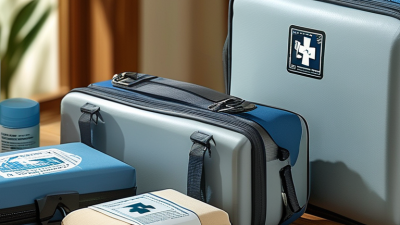
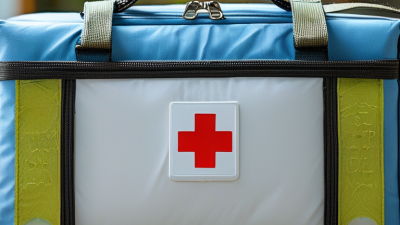
Choosing the best first aid bag in 2026 is not about finding the largest pouch. It is about matching reliable supplies to real situations, from a scraped knee on a trail to a sudden workplace injury. A well-designed first aid bag should be easy to carry, quick to open, and simple to inspect under pressure. Bright labels, transparent pockets, and water-resistant fabric can save valuable seconds when visibility is poor.
Experience shows that packing habits matter as much as product quality. A compact bag may suit daily commuting, while a larger model supports family travel, outdoor work, or vehicle storage. Look for secure zippers, strong handles, organized compartments, and enough space for gloves, sterile dressings, antiseptic wipes, scissors, and personal medicines. Check expiration dates regularly. Replace damaged packaging immediately. Small details matter.
No bag is perfect. A heavy kit may remain in the car, while an ultra-light kit may lack useful essentials. That trade-off deserves honest thought. Guidance from recognized health organizations and trained first aid professionals can help separate practical equipment from marketing claims. Materials should be clearly labeled, unopened, and suitable for their intended use. Avoid vague promises and unverified medical features.
A thoughtful first aid bag is prepared for people, not photographs. Test its layout before an emergency occurs. Can you find gloves with one hand? Can a child’s bandage be reached quickly? These questions reveal weaknesses. The right choice combines dependable construction, sensible contents, personal needs, and regular maintenance. In 2026, the best option will be the one you can carry, understand, and trust.
Understanding First Aid Bag Types and Their Intended Uses
How to Choose the Best First Aid Bag in 2026?
Choosing a first aid bag starts with its intended setting, not its color or pocket count. A compact personal pouch suits commuting, hiking, or a child’s day trip. It should hold gloves, dressings, tape, antiseptic wipes, and small shears. A workplace cabinet kit needs broader coverage, including eye protection, burn dressings, cold packs, and incident records. OSHA’s 29 CFR 1910.151(b) requires suitable supplies where medical care is not nearby. “Suitable” depends on hazards, distance, and staff training.
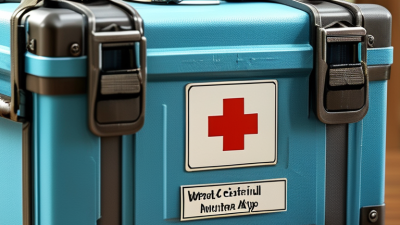
For vehicles, choose a rugged, visible case with supplies for several people. Roadside kits benefit from trauma dressings, reflective signaling items, and weather-resistant packaging. The WHO Global Status Report on Road Safety 2023 estimates 1.19 million annual road deaths worldwide. That figure does not define your kit, but it supports keeping immediate care within reach. Outdoor expedition bags require blister care, bandages, thermal protection, and water resistance. A soft pouch may be lighter. It may also fail in heavy rain.
Tips:
Match contents to a written risk assessment, group size, travel time, and storage temperature. ANSI/ISEA Z308.1-2021 provides minimum workplace-kit classifications, but minimum is not always enough. Check expiry dates monthly. Practice opening the bag with cold or gloved hands. I once found that tidy compartments slowed access under pressure. Labels helped, but not perfectly. Ask a trained first-aid professional to review unusual hazards and emergency contacts. Keep instructions readable, not buried beneath supplies.
Choosing the Right Size, Material, and Portability
A first aid bag should fit your real routine, not an imagined emergency. For home use, a compact bag can hold dressings, gloves, tape, antiseptic wipes, and basic tools. A family vehicle may need more room for several people. Measure the storage space before buying. An oversized bag often stays behind.
Material affects durability and hygiene. I prefer tightly woven fabric with reinforced seams and a smooth inner lining. It should resist light rain and wipe clean after use. Water-resistant is not fully waterproof. That difference matters when the bag sits in a damp car. Check the zippers, handles, and stitching by hand. Weak points are easy to miss online.
Portability also depends on access. Wide openings and clear compartments help you find supplies quickly. A bright interior can reveal small items under poor lighting. Shoulder straps help during travel, but loose straps may catch on door handles. I once chose a bag with many pockets and lost time searching between them. Fewer, labeled sections worked better. Keep the packed weight manageable, especially for older users or long walks. Review the contents regularly against current first aid guidance. Expired dressings and damaged packaging reduce reliability. The best size is the one you can carry, inspect, and restock without hesitation.
Comparing Organization, Accessibility, and Customization Features
How to Choose the Best First Aid Bag in 2026?
A first aid bag should match the risks of its setting, not merely its advertised capacity. The U.S. Bureau of Labor Statistics recorded 2.6 million nonfatal workplace injuries and illnesses in 2023. That figure supports a practical priority: supplies must be visible, reachable, and replenished quickly.
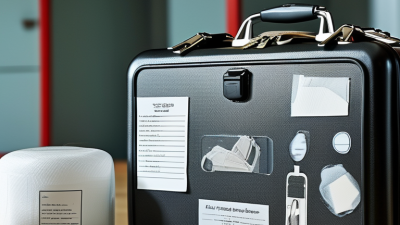
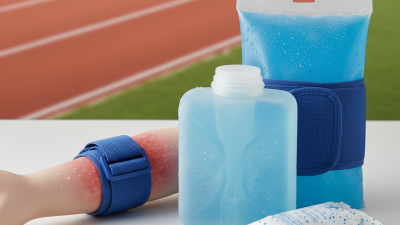
Organization affects response speed. Choose transparent pockets, wide openings, and labeled sections for dressings, gloves, cleaning supplies, and cold packs. A responder should identify the needed item without emptying the entire bag. OSHA requires suitable first aid supplies to be readily available, while ANSI/ISEA Z308.1-2021 defines minimum kit requirements. Standards help, but they cannot replace a site-specific risk assessment.
Accessibility matters more than appearance. A compact bag may work poorly in a crowded vehicle or workshop. Test it with one hand, poor lighting, and protective gloves. Customization is useful when it reflects actual hazards, such as burns, cuts, or eye exposure. Avoid adding random products. They create clutter and may expire unnoticed.
I have made that mistake.
Review contents monthly, record expiry dates, and assign one trained person to inspect the kit. The International Labour Organization emphasizes workplace preparedness and competent first-aid arrangements in its occupational safety guidance. Still, real environments are imperfect. A beautifully organized bag becomes useless if stored behind locked equipment, buried under tools, or missing its most frequently used supplies.
Evaluating Durability, Safety Standards, and Overall Value
How to Choose the Best First Aid Bag in 2026?
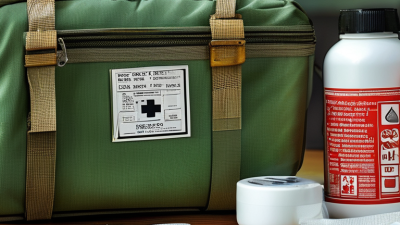
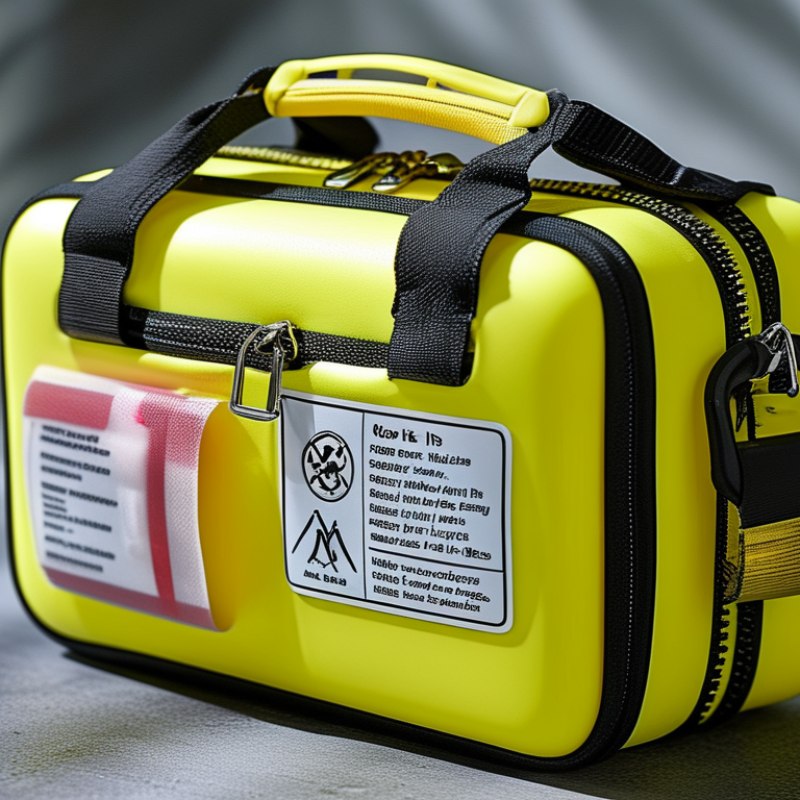
A first aid bag should survive real handling, not just look organized online. Check 600D polyester or similarly abrasion-resistant fabric, reinforced stitching, smooth zippers, and sealed seams. Load it with gloves, gauze, dressings, and a small flashlight. Carry it by the handle, then inspect stress points. This simple test reveals weak construction quickly. A confusing interior can delay treatment, even when the supplies are present.
Safety standards matter more than bright colors. In the United States, OSHA 29 CFR 1910.151(b) requires adequate first aid supplies to be readily available when medical facilities are not nearby. ANSI/ISEA Z308.1-2021 defines minimum performance and contents for workplace first aid kits, including Class A and Class B configurations. The standard mainly addresses kit contents, not every feature of the bag itself. That distinction is often missed. Look for clear labeling, separated compartments, and supplies with visible expiry dates. A waterproof pouch for dressings is useful, but it does not replace proper storage checks.
Value depends on the environment and replacement cost. The U.S. Bureau of Labor Statistics reported about 2.6 million nonfatal workplace injuries and illnesses in private industry during 2023. That figure supports keeping accessible supplies, but it does not justify buying the largest bag available. A compact kit may suit a vehicle, while a larger workplace kit needs space for multiple users. Count the contents, inspect the seams, and compare refill prices. My own practical mistake was choosing capacity over portability; the bag stayed in a cabinet because it was awkward to carry. That is a real failure.