Blog
How to Choose First Aid Kits for Vehicles in 2026?
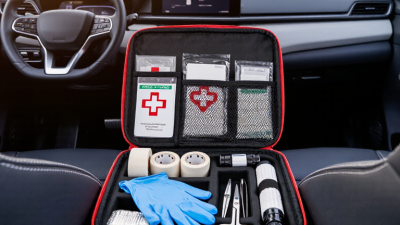
Choosing first aid kits for vehicles in 2026 requires more than buying the largest box available. Roads are changing, but injuries remain familiar. A sharp metal edge, broken glass, or a child’s scraped knee can create urgent needs within seconds. The right kit should match your vehicle, passengers, climate, and driving habits. A compact commuter kit may need sterile dressings, nitrile gloves, antiseptic wipes, medical tape, trauma shears, and a triangular bandage. Family vehicles may require extra gloves, children’s supplies, and easy-to-read instructions.
Dr. Paul S. Auerbach, a respected wilderness-medicine physician, offered a practical reminder: “The best first aid kit is the one you have with you.” That principle matters inside a crowded car. A kit buried beneath luggage is almost useless. Place it where passengers can reach it safely, preferably in a marked, water-resistant container. Check expiration dates and damaged packaging every few months. Heat can weaken adhesives and degrade some contents. Cold can also affect certain products.
A perfect kit does not exist. I still find that many drivers choose abundance over usability. Bigger is not always better. Clear organization matters more than impressive packaging. Consider whether every adult passenger can identify the gloves, bandages, and emergency instructions. Include a flashlight, spare batteries, and a written emergency contact card. Electronic guidance can fail when a phone is damaged or disconnected. Choose first aid kits for vehicles from a transparent supplier that lists contents, materials, and replacement guidance. Then practice opening the kit. Under stress, small delays become important.
Understanding Vehicle First Aid Kit Types and Their Intended Uses
How to Choose First Aid Kits for Vehicles in 2026?
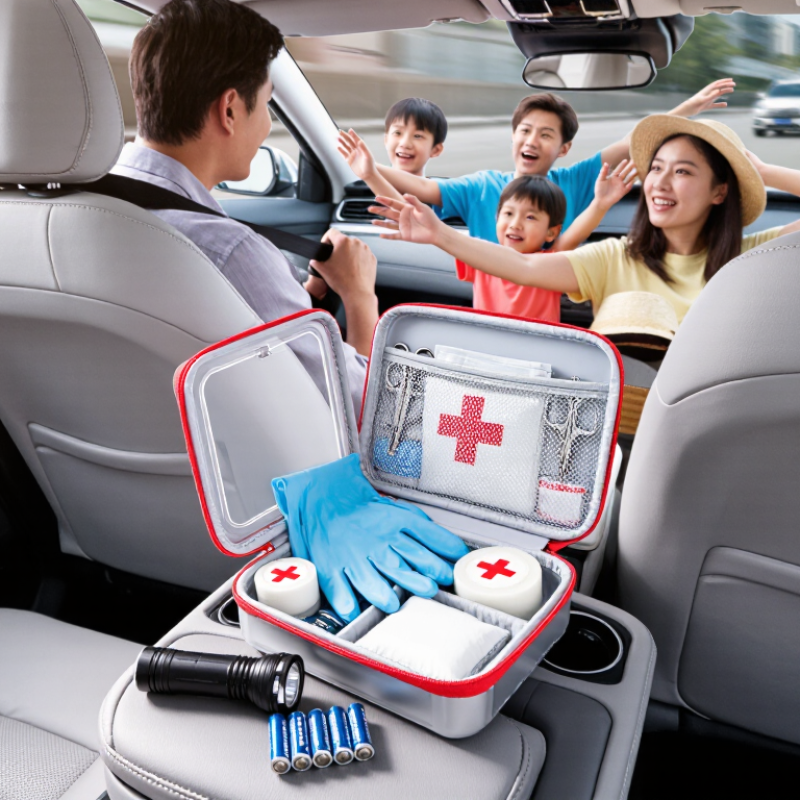
Vehicle first aid kits serve different situations, so size alone should not guide your choice. A compact personal kit suits daily commuting and covers small cuts, blisters, minor burns, and eye irritation. A family kit adds children’s dressings, extra gloves, and larger wound coverings. For long-distance travel, a roadside trauma kit may include pressure dressings, thermal blankets, and a tourniquet. These items require training. They cannot replace emergency medical services.
The World Health Organization’s Global Status Report on Road Safety 2023 estimates 1.19 million road deaths worldwide each year. In the United States, NHTSA reported 40,901 traffic deaths in 2023. These figures support carrying practical supplies, not panic-driven equipment.
ANSI/ISEA Z308.1-2021 classifies first aid kits by workplace use and portability. Type III designs generally suit vehicles because they balance mobility and protection. However, a soft case can fail after heat exposure. I would check it more often than the calendar suggests.
Tips:
Match the kit to passengers, climate, and travel distance.
Store it where occupants can reach it quickly, not beneath heavy luggage.
Inspect gloves, sterile dressings, antiseptic wipes, and medications every three months.
Replace crushed packaging or heat-damaged supplies.
Add a flashlight and emergency contact card.
Keep instructions simple.
A complicated kit may remain untouched when stress is high.
Take a certified first aid course, because equipment without confidence has limited value.
Assessing Your Vehicle, Travel Conditions, and Medical Preparedness Needs
Choosing a vehicle first aid kit starts with the vehicle, not the package. A compact car has limited storage, while an SUV may carry supplies for several passengers. Count regular occupants, including children, older adults, and anyone with allergies or chronic conditions. Store the kit where it can be reached quickly, not beneath heavy luggage. In a crash, a hidden kit may be practically useless. Keep it secured, dry, and protected from extreme heat or freezing temperatures.
Travel conditions change the medical risks. City driving often means faster access to clinics, but remote roads may require longer self-care. Desert routes demand extra water and sun protection; winter travel may involve cold injuries and delayed assistance. Consider trip length, road quality, weather, and communication coverage. A weekend commute needs less than a multi-day mountain journey. Add personal medicines separately and carry written instructions for important conditions. Use supplies you understand, and practice basic wound care before travel.
My own mistake was choosing a kit by item count. It looked complete, yet it lacked enough dressings for four people. That assumption was careless. Review the contents every few months, replace damaged or expired items, and adjust them after each trip. Include gloves, gauze, adhesive dressings, antiseptic supplies, a thermometer, emergency blanket, and simple first aid instructions. A trained driver should know when bleeding, breathing problems, burns, or suspected spinal injuries need urgent professional help. Call local emergency services when available, and avoid treatments beyond your training.
Checking Essential Contents, Quality Standards, and Expiration Dates
A vehicle first aid kit should match real roadside risks, not merely look complete. In its Traffic Safety Facts 2023 report, the National Highway Traffic Safety Administration recorded 40,901 U.S. traffic deaths. Minor injuries are far more common. A compact kit still needs adhesive bandages, sterile dressings, medical tape, cleansing wipes, disposable gloves, scissors, and a breathing barrier. Include a triangular bandage and a cold pack if space allows. For larger vehicles, add extra dressings and eye protection.
Quality matters more than item count. Use ANSI/ISEA Z308.1-2021 as a useful benchmark for workplace-style first aid supplies, although it does not replace professional medical guidance. Check sealed sterile packaging, readable instructions, strong closures, and a water-resistant case. Gloves should remain flexible, not brittle or stuck together. I once trusted a neat-looking kit with hardened tape; that assumption was careless.
Expiration checks should be routine. Inspect every three months, especially before long trips or extreme-weather seasons. Sterile pads, cleansing wipes, gel packs, and medicines can degrade or lose effectiveness. The case may look new while individual packets are expired. Record replacement dates on a simple card inside the lid. Keep the kit reachable from the passenger area, not buried beneath tools. A small flashlight can expose damaged seals during a night inspection. Check it again. Roadside conditions are rarely convenient.
How to Choose First Aid Kits for Vehicles in 2026?
Checking essential contents, quality standards, and expiration dates
The chart shows illustrative minimum quantities for common Class A first-aid-kit contents aligned with ANSI/ISEA Z308.1-2021 categories. Vehicle kits should also be checked for intact packaging, clear labeling, suitable gloves and barrier devices, and applicable local requirements. Always replace items by the manufacturer’s expiration date, especially antiseptics, burn treatments, medications, and adhesive products.
Comparing Kit Size, Durability, Accessibility, and Storage Requirements
How to Choose First Aid Kits for Vehicles in 2026?
Choosing a vehicle first aid kit starts with the vehicle, not the product photograph. The World Health Organization’s Global Status Report on Road Safety 2023 estimates 1.19 million road deaths annually. NHTSA recorded 40,901 U.S. traffic fatalities in 2023. Those figures make access more important than impressive packaging. Size must match risk, occupants, and travel distance. One compact kit may suit a commuter. Remote travel needs more. Add dressings, gloves, cleansing supplies, and a thermal blanket, while avoiding useless duplicates. ANSI/ISEA Z308.1-2021 offers a useful content benchmark, although it is not vehicle-specific. Check expiry dates quarterly. That habit is easy to neglect.
Durability is practical, not decorative. Choose a sealed, crush-resistant case with visible labeling and a secure closure. Heat inside parked cars can degrade adhesives, medicines, and elastic materials. Store the kit away from direct sunlight, loose tools, and leaking containers. An internal pouch system reduces rummaging when hands are cold or visibility is poor. Still, no case survives every collision. Inspect it after impact. Replace wet, damaged, or opened items immediately.
Accessibility should be tested in the actual vehicle. Can a passenger reach it with a seat belt fastened? Can someone identify it at night? Keep it reachable. Keep it secured, but never buried beneath luggage. Record its location in the vehicle’s emergency instructions. I would not claim one universal size fits every driver. A smaller kit that is reachable often beats a larger kit trapped under cargo. Review the layout after real trips. That is where assumptions fail.
How to Choose First Aid Kits for Vehicles in 2026? - Comparing Kit Size, Durability, Accessibility, and Storage Requirements
| Kit Type | Typical Capacity | Typical Size & Weight | Durability Features | Accessibility | Storage Requirement | Best Vehicle Use | Recommended Inspection |
|---|---|---|---|---|---|---|---|
| Compact Emergency Kit | 40–60 basic items; adhesive dressings, gauze, antiseptic wipes, gloves, tape, scissors, tweezers, and a CPR face shield | Approximately 20 × 14 × 6 cm; 0.35–0.60 kg | Zippered fabric or semi-rigid case; internal elastic loops; light splash resistance | Fast access to common items; limited space for organized categories | Fits in a glove compartment, door pocket, or center console; keep away from pedals and airbags | Small cars, motorcycles with storage space, and short daily trips | Every 3–6 months and after any use |
| Standard Family Vehicle Kit | 80–120 items; multiple dressing sizes, burn dressings, triangular bandage, cold pack, wound-cleaning supplies, gloves, and emergency blanket | Approximately 27 × 19 × 8 cm; 0.80–1.20 kg | Durable nylon or molded case; reinforced seams; water-resistant outer material; reflective label | Color-coded compartments and a wide-opening lid support quick identification | Store in the trunk side compartment or under-floor storage; secure it to prevent movement | Family cars, SUVs, and vehicles used for regular road trips | Every 3 months; check expiry dates, seals, and missing supplies |
| Large Road-Trip Kit | 120–180 items; expanded wound care, larger gauze pads, additional gloves, trauma dressings, splints, eye-care supplies, and thermal blankets | Approximately 32 × 23 × 11 cm; 1.40–2.20 kg | Semi-rigid shell or heavy-duty fabric; water-resistant zipper; abrasion-resistant panels; strong carry handle | Large compartments improve organization, but the case requires more time to remove and open | Use trunk storage with a visible label; do not bury it beneath luggage | Long-distance travel, camping trips, and vehicles carrying several passengers | Before every long trip and at least every 3 months |
| Off-Road and Utility Kit | 100–160 items; heavy-duty dressings, pressure bandages, cohesive wrap, splinting material, antiseptic solution, gloves, shears, and eye protection | Approximately 30 × 22 × 12 cm; 1.50–2.50 kg | Hard or reinforced case; dust-resistant closure; impact protection; corrosion-resistant hardware | Dedicated trauma section and external grab handle allow rapid removal under difficult conditions | Mount securely inside the cabin or in a protected cargo compartment; avoid exposed exterior storage | Pickup trucks, utility vehicles, construction vehicles, and remote-area travel | Before each field trip; inspect after dust, water, impact, or rough travel |
| Commercial Fleet Kit | 100–200 items; supplies for common minor injuries, multiple users, eye irrigation, burn care, disposable gloves, and incident documentation materials | Approximately 30 × 20 × 10 cm; 1.20–2.00 kg | Hard-wearing case; moisture-resistant interior; tamper-evident seal option; replaceable inventory label | Clearly labeled compartments and inventory checklist support consistent access for different drivers | Keep in a fixed, documented location that is reachable without unloading cargo | Delivery vans, service vehicles, minibuses, and shared company vehicles | Monthly inventory check and after every reported incident |
| Cold-Climate Vehicle Kit | 80–140 items; standard wound care plus thermal blankets, hand warmers, extra gloves, cold-weather dressings, and emergency lighting | Approximately 28 × 20 × 10 cm; 1.00–1.80 kg | Insulated pouch or rigid case; moisture-resistant lining; materials selected to remain usable after temperature changes | Large pull tabs and simple compartments are easier to use while wearing gloves | Store inside the passenger compartment when possible; protect liquid supplies from freezing | Vehicles operating in winter, mountainous, or low-temperature regions | Before winter and after prolonged exposure to freezing temperatures |
Maintaining, Replacing, and Updating a Vehicle First Aid Kit in 2026
In 2026, a vehicle first aid kit should match its passengers, routes, and weather conditions. A family car needs different supplies from a work van or remote travel vehicle. I check mine monthly, usually after cleaning the car. I inspect sealed dressings, gloves, tape, antiseptic wipes, and emergency instructions. Packaging must stay dry and readable. Heat can damage adhesives and some liquid products inside parked vehicles. Replace anything leaking, opened, discolored, or expired. Small damage matters.
Updating the kit is not simply about adding more items. I remove supplies nobody knows how to use. Then I add practical items based on recent trips, such as extra gauze for outdoor activities or child-sized coverings for young passengers. A compact flashlight, spare batteries, and an emergency contact card can improve readiness. I also keep a basic first aid guide because memory becomes unreliable during stress. Do not include medicines unless passengers understand allergies, dosage, storage, and professional advice. Ask a qualified healthcare professional when uncertain.
After using the kit, record what was taken and replace it promptly. I once delayed replacing sterile pads, assuming the remaining supplies were enough. That assumption was poor. Store the kit where passengers can reach it, away from direct sunlight and loose cargo. Check it before long journeys and after severe temperature changes. Vehicle safety guidance and local emergency recommendations may change, so review the contents yearly. Practice calling emergency services and giving the vehicle’s location. A kit supports care; it does not replace trained medical help.
Related Posts
-
How to Choose First Aid Kits for Vehicles?
-

China Best First Aid Ice Packs for Instant Relief Solutions?
-
Best First Aid Kits for Home Essential Supplies You Need?
-
2026 Top First Aid Bag Manufacturers for Global Buyers
-
Top 10 Aid Kits in China for Global Buyers Searching for Quality?
-
Top Aid Kits for China Best Quality Supply Needs?