Essential First Aid Tips for Sports Injuries in Athletes?
In the world of sports, injuries are commonplace among athletes. Understanding first aid for sport is vital for ensuring quick recovery and preventing further damage. Accidents can happen suddenly, whether during practice or a competitive event. A solid knowledge of first aid can make a significant difference.
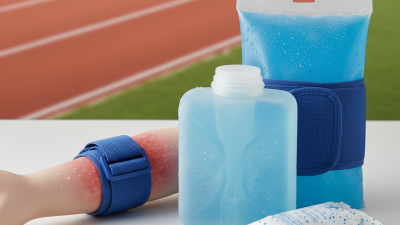
Athletes often push their bodies to the limit. This can lead to sprains, strains, or even fractures. Quick action can provide relief and minimize complications. For instance, applying ice to a sprained ankle can reduce swelling efficiently. Another essential tip is to elevate the injury. However, some athletes overlook crucial steps during emergencies.
It’s important to be prepared. Carry a first aid kit at all times when training or competing. Regularly review the basics of first aid, as this knowledge may save a teammate's season. Staying calm and confident during an injury can impact the situation positively. Athletes must recognize the importance of seeking professional medical advice after a serious injury. Understanding these principles ensures a safer sporting experience for everyone involved.

Understanding Common Sports Injuries: Types and Incidence Rates
Understanding common sports injuries is crucial for athletes. These injuries can range from sprains to fractures. Sprains commonly occur in ankles or knees, often arising from sudden twists or falls. Fractures, on the other hand, can happen due to direct impacts during contact sports.
The incidence rates of these injuries can be alarming. Research indicates that nearly 50% of all athletes will experience some form of injury. The types vary significantly across different sports. For instance, runners often face shin splints and tendonitis, while football players are more prone to concussions and ligament tears. Understanding which injuries are prevalent in your sport can help in prevention.
Creating a strategy to deal with these injuries is essential. Athletes should educate themselves about the signs of distress. Keeping in mind that even minor pains shouldn't be ignored is crucial. Muscles may tighten, signaling a need for rest. Being aware of these details can lead to better recovery practices. Always consulting with a healthcare professional for persistent issues is wise. They provide insights tailored to specific sports and personal health conditions.
Essential First Aid Techniques: Immediate Response for Athletes
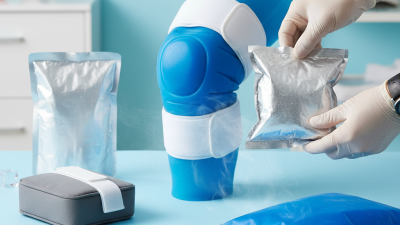
In the world of sports, injuries can happen unexpectedly. Knowing immediate first aid techniques is crucial for athletes. Whether it's a sprain or a strain, a rapid response can often prevent further damage. For instance, applying ice to a twisted ankle can reduce swelling and pain. Ensure to use a cloth to avoid direct contact with the skin. This simple step can make a significant difference.
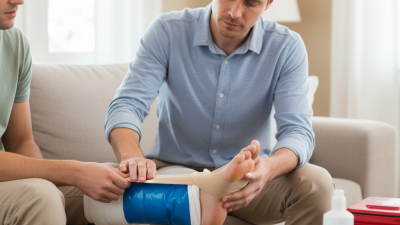
Another important technique is compression. Using a bandage can stabilize an injured area. Yet, it’s vital to avoid wrapping too tightly. This could restrict blood flow and cause more harm. Athletes should also remember the importance of elevation. Raising an injured limb above the heart helps to minimize swelling.
Sometimes, even well-prepared athletes make mistakes. They may ignore signs of serious injury. It's essential to remain calm and evaluate the situation effectively. Rushing without assessing can lead to complications. Practice these techniques regularly to build confidence. Having the right skills can turn a potential disaster into a manageable situation.
Recognizing Signs and Symptoms of Sports Injuries in Real-Time
Recognizing the signs and symptoms of sports injuries in real-time is crucial for athletes. Unfortunately, many injuries go unnoticed in the heat of competition. According to the National Athletic Trainers' Association, about 50% of athletes will experience a significant injury during their career. Awareness can prevent complications and promote quicker recovery.
Common signs include swelling, bruising, and pain. Immediate assessment is vital. A study published in the Journal of Sports Medicine found that players who received prompt treatment had a 30% faster recovery rate. Athletes often ignore pain, hoping it will fade. This approach can lead to chronic issues. Ignoring warning signs like sharp pain or extreme fatigue may worsen injuries.
Coaches and teammates should watch for changes in performance. If an athlete suddenly struggles with basic moves, it could indicate an injury. Establishing a routine for injury check-ups after practice can help. Simple measures can protect the athlete's long-term health and performance. Overall, being vigilant and responsive can change the game for many athletes.
Applying the R.I.C.E. Method: A Proven Approach for Acute Injuries
When an athlete experiences an acute injury, knowing how to respond quickly is crucial. One effective method is
R.I.C.E., which stands for Rest, Ice,
Compression, and Elevation. Implementing this technique promptly can significantly
reduce pain and swelling.
Rest is essential after an injury. Avoid putting weight on the affected area. Give your body
time to heal.
Ice should be applied within 48 hours of injury. Use a cloth to prevent frostbite.
Apply for 15-20 minutes every hour. Compression helps to control swelling.
Use an elastic bandage, but ensure it’s not too tight. Lastly, elevate the injured limb above heart level to reduce swelling.
While R.I.C.E. is an established approach, reflect on its limits.
It is not a cure-all. Seek professional help when necessary. Each injury varies, and what works for one may
not work for another. Be alert to how your body responds and adjust accordingly. Knowing when to get expert
advice is part of being a well-rounded athlete.
When to Seek Professional Medical Help for Sports-Related Injuries
When dealing with sports injuries, knowing when to seek professional medical help is crucial. According to a report by the National Athletic Trainers' Association, approximately 1.6 million emergency room visits occur annually due to sports-related injuries. Understanding the severity of symptoms can guide athletes effectively.
In cases of severe pain, swelling, or inability to move a limb, immediate medical evaluation is essential. A study from the American Journal of Sports Medicine highlights that early intervention can significantly reduce recovery time. If an athlete experiences persistent headaches, dizziness, or confusion, these could indicate more serious conditions requiring urgent care.
Ignoring symptoms may lead to chronic issues. Some injuries, like fractures, may not be visible but can worsen without treatment. Athletes should monitor their conditions closely. Reflection on past injuries reminds us that not all bumps and bruises are minor. Seeking timely care can prevent long-term complications.