China Top Sports First Aid Kits Manufacturer
Choosing the right China sports first aid kits manufacturer can influence every moment after an injury. A reliable supplier supports athletes, coaches, schools, clubs, and event organizers with practical medical preparation. Their kits should match real sporting conditions, from scraped knees on artificial turf to strained wrists beside a basketball court.
Experienced manufacturers understand that one kit cannot serve every sport. A football team may need instant cold packs, elastic bandages, wound dressings, and disposable gloves. A cycling event may require compact packaging, emergency blankets, cleansing wipes, and clear instructions. Good design keeps essential items visible and easy to reach. It also considers moisture, transport, storage temperature, and repeated handling.
Small details matter.
Professional production should include controlled sourcing, careful assembly, readable labels, and inspection records. Reliable suppliers explain product materials, packaging options, and customization limits without making exaggerated promises. They can support private labeling while respecting applicable safety and import requirements. However, no manufacturer should treat a kit as a replacement for trained medical care. That point is sometimes overlooked.
Quality is not only about appearance. A zipper that breaks during a tournament can delay treatment. A confusing label can create hesitation. Practical testing, customer feedback, and regular product review help reveal these weaknesses. Some solutions may still need improvement, especially when sports environments differ widely. For buyers comparing China manufacturers, transparent communication and documented quality processes provide a stronger foundation for dependable sports first aid kits.
What Is a Sports First Aid Kit?
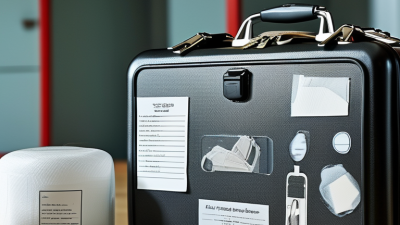
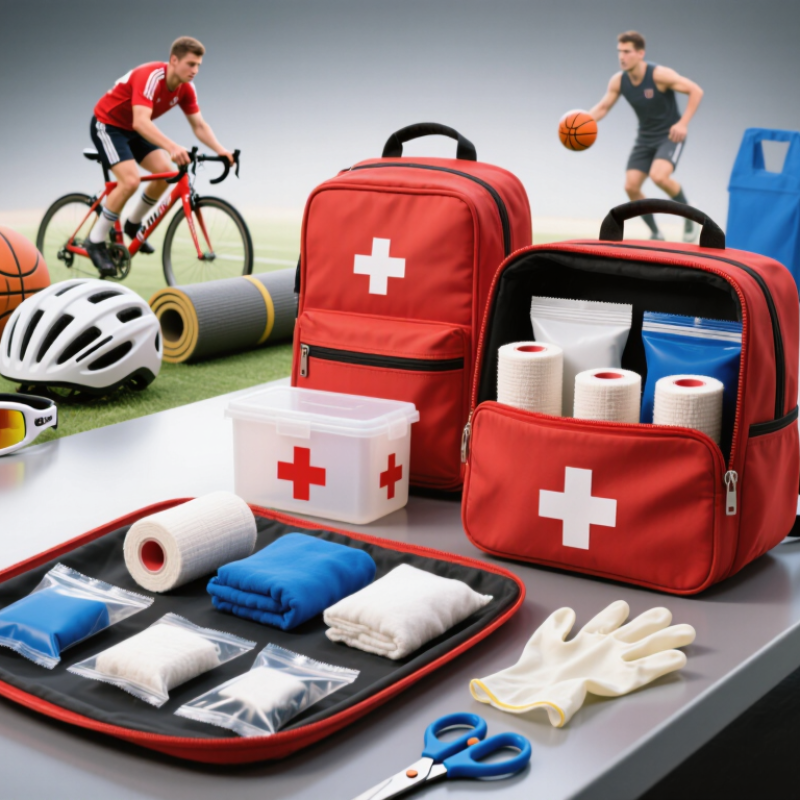
A sports first aid kit is a portable set of supplies for addressing minor injuries and supporting care until further help is available. It may contain disposable gloves, sterile gauze, adhesive dressings, medical tape, an elastic bandage, blunt-tip scissors, and a cold pack. On a wet field, sealed dressings and clearly arranged supplies are easier to locate than loose items at the bottom of a bag. Contents should match the sport, group size, and location; a court-side kit may need different supplies from one used on a hiking route. A kit is not a substitute for trained care or an emergency response plan.
Tips: Check the kit before each season. Replace expired or damaged items, and keep supplies dry and easy to reach. One detail is often missed: people may not know where the kit is stored. Show staff and coaches its location, and make sure they understand the venue’s emergency procedures. Avoid filling the kit with items no one knows how to use. A neatly packed kit can still be ineffective if nobody checks it. It is a simple task, but easy to forget.
Essential Components of a Sports First Aid Kit
China Top Sports First Aid Kits Manufacturer
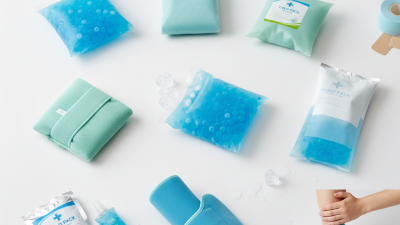
A sports first aid kit should match the injuries athletes commonly face. Scrapes, blisters, sprains, and muscle strains need quick attention. Include sterile gauze, adhesive dressings, elastic bandages, medical tape, antiseptic wipes, instant cold packs, and disposable gloves. Add small scissors, tweezers, a digital thermometer, and an emergency blanket. Each item has a clear purpose.
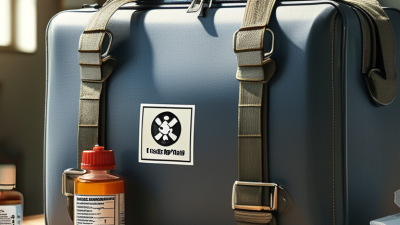
Keep supplies in sealed, labeled compartments. A waterproof case protects dressings during rainy matches. Place frequently used items near the opening. Coaches should check expiry dates monthly and replace damaged packaging immediately. A cold pack is useless if it has leaked. That detail is easy to miss.
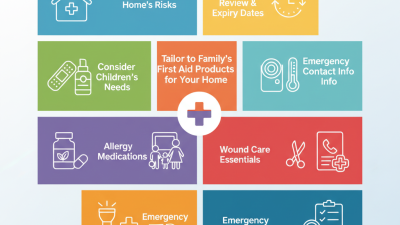
Tips: Pack according to the sport, team size, and travel distance. Add blister pads for runners and finger tape for climbers. Keep an injury record sheet inside the kit. Train staff to clean wounds, support injured joints, and recognize serious symptoms. Do not force an athlete back into play. When uncertain, seek qualified medical care. Review the kit after every event. It may look complete, yet one missing glove can delay safe treatment.
How China Manufacturers Design Sports First Aid Kits
China Top Sports First Aid Kits Manufacturer
How China Manufacturers Design Sports First Aid Kits
Design starts with the activity, not just the container. A kit for a school football field may need flexible bandages, gauze pads, gloves, and cold packs. A cycling kit often needs a lighter pouch that fits inside a support vehicle. Manufacturers review these use cases with buyers and experienced first-aid staff before choosing the contents.
The layout matters. Common items should be easy to reach, even when the kit is opened on a damp sideline. Separate pockets can keep dressings organized and help prevent small items from disappearing beneath larger supplies. Clear labels and strong color contrast also help users find equipment quickly. Small details matter. A zipper that catches under pressure can frustrate users, so samples are opened and closed repeatedly during development.
Materials are selected for durability, weight, and ease of cleaning. Manufacturers may test stitching, handles, and closures through repeated handling, then revise weak points. Contents also need practical checks: packaging should stay intact, and supplies should fit without crushing one another. There is no perfect layout for every sport. In practice, teams sometimes request changes after using a sample kit, and that feedback can reveal gaps designers missed. A compact kit may be easier to carry, but it can leave less room for replacement supplies.
Quality Standards for Sports First Aid Kit Manufacturing
A sports first aid kit must survive more than a factory inspection. It may sit in a damp equipment room, travel in a team bag, then be opened beside a muddy field. Manufacturers should check incoming materials, seal integrity, labeling, and lot traceability. Sterile dressings need intact packaging; adhesive products need checks for sticking and aging. Small details matter.
Quality systems can draw on ISO 13485 controls for medical-device production and ISO 14971 principles for risk management. For kit selection and organization, ANSI/ISEA Z308.1-2021 offers a workplace first-aid reference, though sports settings may need different contents. The U.S. Consumer Product Safety Commission’s 2022 NEISS estimates recorded about 3.6 million emergency-department visits linked to sports and recreation injuries. That scale makes consistent inspection more than paperwork. Still, gaps happen.
Good manufacturing records should connect supplier checks, batch release, and expiry-date reviews. A sample kit should be opened and examined, not judged only by its clean exterior. Field feedback matters too: a pouch that is hard to open with wet hands is a real design flaw. One weakness is that feedback often arrives late, after kits have already been distributed. Manufacturers should review complaints and returned samples, then document changes without assuming every team uses equipment the same way.
How to Choose a Reliable Chinese Sports First Aid Kit Manufacturer
China Top Sports First Aid Kits Manufacturer
How to Choose a Reliable Chinese Sports First Aid Kit Manufacturer
Choosing a Chinese sports first aid kit manufacturer takes more than comparing prices. Start with the intended setting: a school gym, running event, or outdoor training field may need different supplies and case designs. Ask for a detailed component list, material specifications, and sample kits. Check zippers, labels, and compartment layout by handling the sample yourself. Details matter.
A dependable supplier should explain how it checks incoming materials, assembles kits, and tracks production batches. Request relevant quality documents and confirm that they match the products you plan to order. Ask how the factory handles substitutions when a component is unavailable. Clear answers are more useful than broad promises. This can take time.
Review packaging, lead times, minimum order quantities, and replenishment options before committing. If you need custom contents, get the final list in writing and approve a pre-production sample. A factory visit or live video walkthrough can help you assess storage and packing practices, though it cannot reveal everything. No supplier is perfect. Notice how the team responds when you raise a concern; a specific, documented correction often tells you more than a polished presentation.